Key Takeaways :
* 360B yuan capital programme:Five state-owned insurers and three banks will raise up to 360 billion yuan, with the Ministry of Finance providing 300 billion yuan through special bonds.
* Insurers could gain greater equity capacity: Major mainland insurers held only about **21% of assets in equities at end-2025**, despite Beijing encouraging them to invest 30% of new premiums in stocks.
* First use of special bonds for insurers: The move extends a financing mechanism previously used for state-owned banks into the insurance sector.
* The package is smaller than expected: Citi analysts estimated the market had expected around 200 billion yuan of capital support for insurers alone, suggesting the immediate recapitalisation need may be lower than anticipated.
Full Briefing :
Beijing is using a 360 billion yuan ($53.6 billion) capital-raising programme to strengthen major state-owned financial institutions, including five insurers and three banks. The Ministry of Finance plans to issue 300 billion yuan of special bonds to support the injections, marking the first time this financing mechanism has been used for insurers.
For insurers, the significance goes beyond balance-sheet repair. Analysts expect stronger capital positions and improved solvency ratios to remove constraints that have limited their ability to make longer-term equity investments. Beijing has been encouraging insurers to channel more institutional capital toward the stock market, including a directive to invest 30% of new premiums into equities.
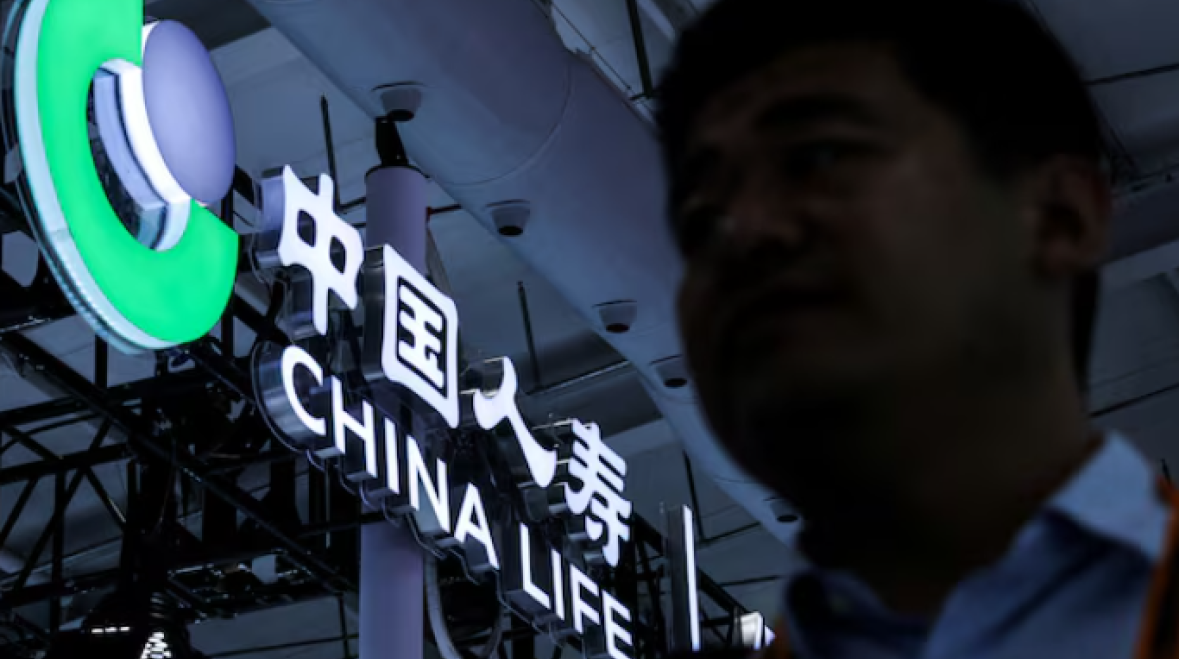
The recipients include China Life Insurance Group, which will receive 35 billion yuan, and China Taiping Insurance Group, which will receive 7 billion yuan. PICC Group plans to raise up to 15 billion yuan through a private A-share placement to the Ministry of Finance.
However, the market response shows why this should not be interpreted as an automatic stock-market stimulus. Chinese insurance shares declined after the announcement as investors focused partly on potential earnings dilution, while analysts cautioned that recapitalisation does not necessarily mean equivalent new money will immediately flow into the broader economy.
The more important executive signal is the changing role of state financial institutions in capital allocation. Beijing is simultaneously strengthening insurers’ balance sheets and encouraging them to become larger providers of long-duration capital to domestic equity markets.
Source : https://telecom.economictimes.indiatimes.com/news/industry/britains-gamma-to-get-higher-bid-from-dutch-private-equity-firm-report/133859124?utm_source=chatgpt.com



















Recommended for you
Breaking Down the Elements of a Masterpiece Painting
The Revival of Classical Art in a Digital Age
Must-See Art Exhibitions Around the World This Year
The Revival of Classical Art in a Digital Age